
Search Results for: Transcription

Transcription vs. Replication: Differences, RNA Polymerase Structure, and Transcription Termination Mechanisms

Introduction to Transcription: Transcription is the biological process in which an RNA strand is generated based on a DNA template, with the reaction being facilitated by the enzyme RNA polymerase. Similarities Between Transcription and Replication: Differences between transcription and replication:  Characteristics Replication Transcription Definition DNA replication is the biological process of duplication of the double […]
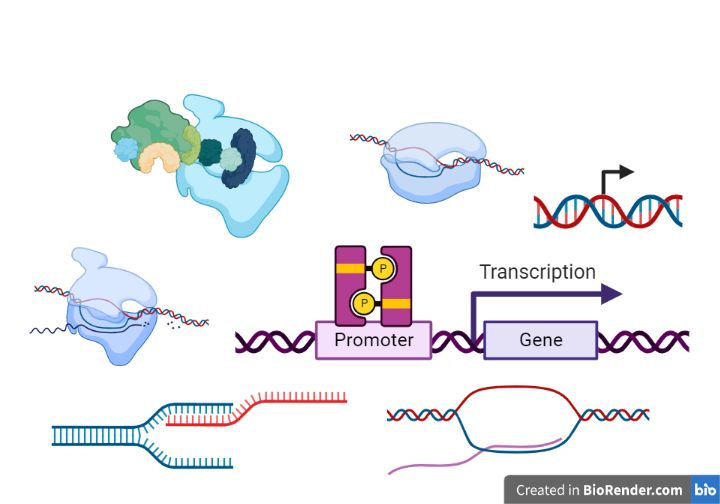
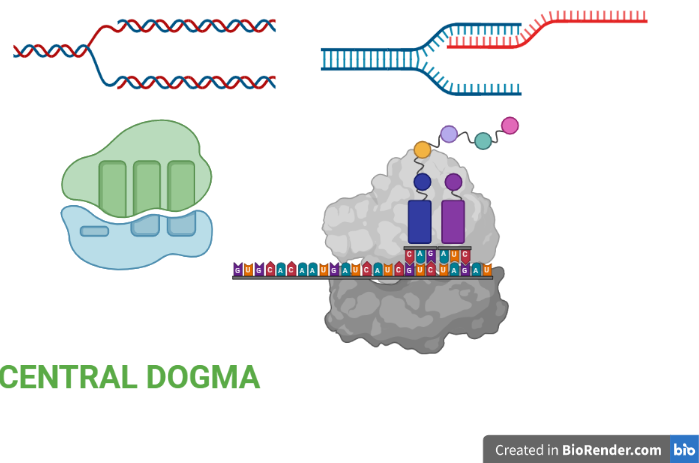
Transcription vs. Replication: Differences, RNA Polymerase Structure, and Transcription Termination Mechanisms Read More »

Extracellular vesicles (EVs): Introduction, Structure, Types, Isolation, Applications

Introduction to Extracellular Vesicles (EVs): Extracellular vesicles (EVs) are lipid bilayer membrane bound structures in extracellular fluids, which are secreted by all types of cells (either in normal or pathogenic conditions).  They are naturally released from the cell that are delimited by a lipid bilayer and cannot replicate. EVs are complex signals which can target

Extracellular vesicles (EVs): Introduction, Structure, Types, Isolation, Applications Read More »

Development and activation of lymphocytes, Antigen presenting cells and other cells in immunity

Development of lymphocytes: All adult circulating blood cells, including immature lymphocytes, are produced in the bone marrow. Bone marrow is also the site of maturation of B cells. Cells of the immune system are produced by a group of undifferentiated cells, called hematopoietic stem cell (HSC) in bone marrow. A hematopoietic stem cell may be

Development and activation of lymphocytes, Antigen presenting cells and other cells in immunity Read More »

Overview of Caliciviridae and Norwalk Virus: Structure, Replication, Transmission, Clinical Features, and Laboratory Diagnosis

Introduction to Caliciviridae Family: Caliciviridae is a family of viruses having positive-sense, single stranded RNA which is non-segmented. The family Caliciviridae consists of several genera, Lagovirus, Nebovirus, Norovirus, Sapovirus and Vesivirus. Members of Caliciviridae are significant causes of viral gastroenteritis in both humans and a variety of animals. The first human calicivirus is called Norovirus

Overview of Caliciviridae and Norwalk Virus: Structure, Replication, Transmission, Clinical Features, and Laboratory Diagnosis Read More »

Human Herpesviruses: Classification, Replication Cycle, and Clinical Significance

Introduction to Herpesviruses: The herpesvirus family contains several of the most important human pathogens. Clinically, the herpesviruses exhibit a spectrum of diseases. The herpesviruses that commonly infect humans include herpes simplex virus types 1 and 2,  varicella-zoster virus, cytomegalovirus, Epstein-Barr virus, herpesviruses 6 and 7, and  herpesvirus 8 (Kaposi’s sarcoma-associated herpesvirus). Classification of Human Herpesviruses:

Human Herpesviruses: Classification, Replication Cycle, and Clinical Significance Read More »